


 Español
 中文简体
 عربى
- JINZEN Sewing Machine Spare Parts
- JINZEN Accessories
- JUKI Sewing Machine Spare Parts
- BROTHER Sewing Machine Spare Parts
- PEGASUS Sewing Machine Spare Parts
- SIRUBA Sewing Machine Spare Parts
- KANSAI Sewing Machine Spare Parts
- YAMATO Sewing Machine Spare Parts
- Kingtex Sewing Machine Spare Parts
- JACK Sewing Machine Spare Parts
- Other Brand Sewing Machine Spare Parts
- Household Sewing Machine Spare Parts
- Cutting Sewing Machine Spare Parts
- Leather Sewing Machine Spare Parts
When Should Textile Manufacturers Review Their Cutting and Sewing Machine Spare Parts Inventory?
Industry News-A production machine does not have to suffer a major failure before spare parts become important. Small components can wear gradually, while some parts may be difficult to identify once equipment has been running for a long time. For garment factories, textile manufacturers, and equipment distributors, keeping a clear spare parts strategy can make maintenance decisions easier and reduce the uncertainty surrounding unexpected repairs. This is particularly relevant when sourcing cutting sewing machine spare parts for different machine models and production environments.
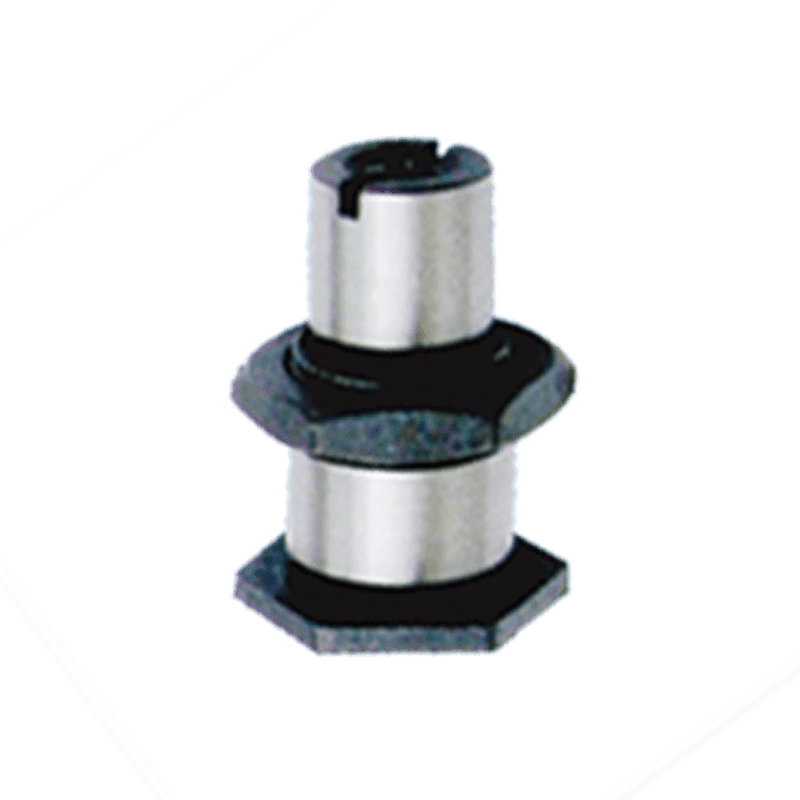
Identify the Parts That Affect Daily Production
Not every component has the same influence on production. Some parts are directly involved in cutting, feeding, positioning, stitching, or other repeated mechanical actions. Their condition can have a more noticeable effect on machine performance.
Maintenance teams can begin by identifying components that are:
- Used frequently during normal operation
- Exposed to repeated mechanical movement
- Subject to friction or contact
- Important for cutting or stitching accuracy
- Difficult to replace without proper identification
This creates a more practical basis for spare-part planning than simply keeping a large quantity of unrelated components.
Build a Clear Part Identification System
One common purchasing problem occurs when a technician knows that a component needs replacement but cannot provide enough information to identify it accurately. A similar-looking part may not have the same dimensions, mounting arrangement, or working position.
A useful identification record can include the machine model, original part number when available, component name, dimensions, photographs, and application location. Keeping this information together makes future purchasing communication much easier.
For overseas buyers, accurate identification can also reduce unnecessary exchanges between the factory, maintenance team, and spare-parts supplier.
Separate Standard Parts From Application-Specific Components
Some components may be easier to source because their specifications are relatively common, while others are closely related to a particular machine structure or mechanism.
This distinction matters when planning inventory. A factory may need to maintain frequently used components while handling less common parts through advance identification and supplier communication.
From a manufacturer's perspective, understanding whether a customer needs a standard replacement, a modified component, or a drawing-based part allows production requirements to be clarified before manufacturing begins.
Watch for Early Changes in Machine Performance
A spare-parts strategy should not depend entirely on visible component failure. Changes in machine behavior can provide useful clues that a component deserves inspection.
Technicians may pay attention to:
- Increasing adjustment frequency
- Changes in cutting consistency
- Irregular stitching or feeding
- Unusual mechanical noise
- Increased friction during movement
- Visible wear on working surfaces
These signs do not automatically indicate that a specific spare part has failed. They simply provide a reason to inspect the relevant mechanism before the problem becomes more disruptive.
Consider the Cost of Waiting for Identification
When a machine is already stopped, identifying a component from scratch can become more difficult. Engineers may need to check drawings, disassemble parts, compare samples, or communicate with several suppliers.
Preparing identification information in advance can make the purchasing process more straightforward. For distributors and large production facilities, maintaining organized records of commonly required cutting machine and sewing machine components can also simplify communication between purchasing and maintenance departments.
The objective is not to hold every possible part in stock, but to make important components easier to identify and source.
Communicate Technical Details Before Ordering
A manufacturer can provide a more accurate response when the buyer supplies sufficient technical information. A simple product name may not be enough when several versions of a component exist.
When requesting cutting sewing machine spare parts, buyers can provide:
- Machine model and application
- Original component reference
- Technical drawing when available
- Key dimensions
- Material requirements
- Surface treatment requirements
- Required quantity
- Photos of the original component
This information gives the manufacturer a clearer understanding of the replacement requirement and helps avoid unnecessary clarification during production.
Custom Production Can Support Older Equipment
Older cutting and sewing machines can create another sourcing challenge when original replacement components are difficult to identify or obtain. In such situations, drawing-based manufacturing or sample-based development may provide an alternative approach, depending on the component and technical requirements.
For a manufacturer, the ability to review drawings, samples, dimensions, and application conditions is valuable when developing replacement components for different equipment configurations. This is especially relevant for buyers supporting mixed equipment fleets.
Make Spare Parts Part of the Maintenance Plan
Effective spare-parts management is not simply about purchasing components in advance. It involves knowing which parts are important, understanding their application, maintaining accurate identification records, and communicating technical requirements clearly. For overseas garment manufacturers, textile equipment distributors, and maintenance teams, working with a manufacturer that can support both standard and application-specific cutting sewing machine spare parts can make replacement planning more structured. A clear approach to spare parts can help maintenance teams respond to component wear with less uncertainty and keep production equipment easier to manage.
Our News //
Related News



Contact Us //
Have Questions? Get in Touch!

Jinzen Intelligent Technology (Dongyang) Co., Ltd. was founded in 1983, focusing on sewing machine accessories and auxiliary equipment.

Quick Links
Related Products
Contact
- Add: No. 46-1, Dongsheng Road, Hulu Town, Dongyang City, Jinhua City, Zhejiang Province
- Tel: +86-579-8615 0008 / +86-579-8615 2008
- Fax: +86-579-8615 1368 / +86-579-8615 2273
- Email: zhenhua@jinzen.cc
© 2023 Jinzen Intelligent Technology (Dongyang) Co., Ltd.
Sewing Machine Replacement Spares Parts Suppliers

