


 Español
 中文简体
 عربى
- JINZEN Sewing Machine Spare Parts
- JINZEN Accessories
- JUKI Sewing Machine Spare Parts
- BROTHER Sewing Machine Spare Parts
- PEGASUS Sewing Machine Spare Parts
- SIRUBA Sewing Machine Spare Parts
- KANSAI Sewing Machine Spare Parts
- YAMATO Sewing Machine Spare Parts
- Kingtex Sewing Machine Spare Parts
- JACK Sewing Machine Spare Parts
- Other Brand Sewing Machine Spare Parts
- Household Sewing Machine Spare Parts
- Cutting Sewing Machine Spare Parts
- Leather Sewing Machine Spare Parts
Could Better Spare Part Matching Reduce Repeated Adjustments on Cutting and Sewing Machines?
Industry News-In textile and garment production, a machine does not always need a major repair to lose efficiency. Small differences in a replacement component can sometimes advance to repeated adjustments, unstable cutting, uneven stitching, or unnecessary troubleshooting. As manufacturers pay more attention to equipment maintenance and production continuity, the selection of replacement components is becoming a practical engineering issue rather than simply a purchasing task. For buyers sourcing cutting sewing machine spare parts, compatibility, dimensional consistency, material selection, and application requirements deserve careful consideration before an order is confirmed.
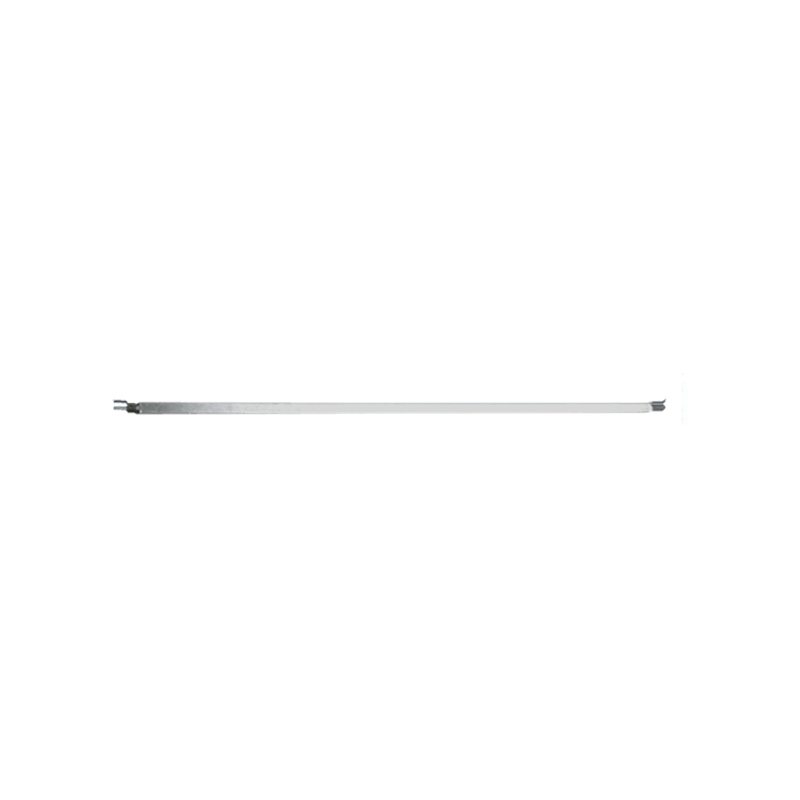
Why Compatibility Is More Than Model Matching
Finding a spare part with the same general application does not necessarily mean that it will perform in exactly the same way. Cutting and sewing machines rely on coordinated movement between multiple mechanical components, so a small difference in dimensions or working position can influence the interaction between parts.
Before purchasing, engineers should verify the machine model, component type, installation position, and relevant dimensions. This basic information gives manufacturers a clearer foundation for supplying a suitable replacement.
Dimensional Consistency Supports Easier Setup
Replacement parts are often installed when production equipment is already operating under a specific setup. If the new component differs noticeably from the expected dimensions, technicians may need to spend additional time checking alignment, clearance, or positioning.
For this reason, dimensional consistency is an important consideration when evaluating industrial sewing machine spare parts and cutting machine components.
A practical inspection can focus on:
- Overall dimensions and critical working surfaces
- Mounting and connection points
- Alignment with surrounding components
- Surface condition
- Movement or engagement after installation
- Consistency between repeated parts
The objective is not simply to make a part fit, but to make installation and adjustment more predictable.
Cutting Components Need Stable Contact
Cutting equipment places particular demands on components that interact with fabric or other flexible materials. A cutting element, guide, holder, or related component may gradually influence cutting quality as its working condition changes.
If cutting becomes uneven or requires frequent adjustment, replacing the complete machine may not be necessary. Engineers can examine the components directly involved in the cutting process and determine whether wear, misalignment, or surface condition is contributing to the problem.
This approach can help maintenance teams focus on the actual source of performance changes.
Sewing Mechanisms Depend on Precise Coordination
Industrial sewing machines contain multiple moving components that must operate in a coordinated sequence. Needle-related components, feed mechanisms, presser components, hooks, and other parts can affect stitch formation when their relative positions are incorrect.
A replacement component should therefore be evaluated according to how it interacts with the surrounding mechanism. A mechanically compatible part that requires excessive adjustment may not be the practical solution for continuous production.
For manufacturers, this makes production accuracy and inspection important parts of spare-part development.
Material Selection Should Follow the Working Condition
Material is another factor that should be considered according to the application rather than selected only from a general description. Components exposed to repeated contact, friction, movement, or cutting action may have different requirements from parts used mainly for positioning or support.
When sourcing cutting sewing machine spare parts, buyers can discuss the actual working environment with the manufacturer, including:
- Frequency of machine operation
- Type of material being processed
- Contact and friction conditions
- Required surface characteristics
- Expected maintenance routine
Clear application information allows the manufacturer to focus on a more appropriate component solution.
Planned Replacement Can Simplify Maintenance
Maintenance research in textile machinery is increasingly examining ways to identify potential equipment problems before they develop into larger production interruptions. This does not mean every component should be replaced on a fixed schedule. Instead, maintenance teams can combine equipment condition, operating observations, and component wear to make better replacement decisions.
For purchasing teams, this creates another reason to establish reliable spare-part sources. Keeping commonly required components properly identified and available can make maintenance planning more manageable.
Work With the Manufacturer on Part Identification
A clear identification process can reduce mistakes before production begins. When requesting a replacement component, buyers should provide as much relevant information as possible instead of relying only on a general product name.
From a manufacturer's perspective, useful information can include the machine model, original part reference, drawings, photographs, dimensions, application, and required quantity. This allows the supplier to assess compatibility more accurately and discuss customization when necessary.
For overseas garment factories, textile equipment distributors, and maintenance teams, choosing cutting sewing machine spare parts through this application-focused process can reduce unnecessary adjustment work and support more stable equipment operation. For a manufacturer, supplying the right component is not only about producing a replacement part; it is about understanding how that part fits into the complete cutting or sewing mechanism.
Our News //
Related News



Contact Us //
Have Questions? Get in Touch!

Jinzen Intelligent Technology (Dongyang) Co., Ltd. was founded in 1983, focusing on sewing machine accessories and auxiliary equipment.

Quick Links
Related Products
Contact
- Add: No. 46-1, Dongsheng Road, Hulu Town, Dongyang City, Jinhua City, Zhejiang Province
- Tel: +86-579-8615 0008 / +86-579-8615 2008
- Fax: +86-579-8615 1368 / +86-579-8615 2273
- Email: zhenhua@jinzen.cc
© 2023 Jinzen Intelligent Technology (Dongyang) Co., Ltd.
Sewing Machine Replacement Spares Parts Suppliers

